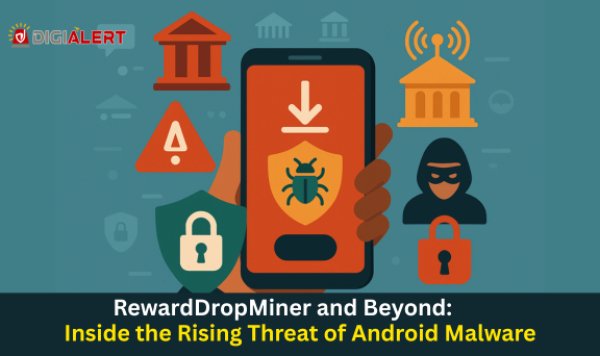
Mobile security is no longer an afterthought—it’s a frontline battlefield. In 2024, cybercriminals have doubled down on smartphones as their weapon of choice, and Android devices are bearing the brunt of this shift. According to DigiAlert’s analysis of recent threat intelligence, Android dropper apps—malicious applications disguised as legitimate tools—have emerged as the primary delivery mechanism for SMS-based malware.
Blog
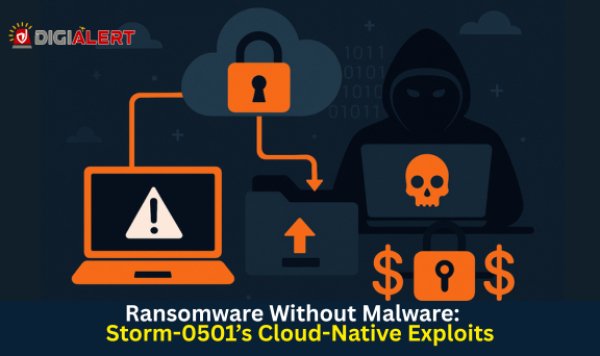
In today’s hyper-connected world, identity is no longer just an administrative concern—it is the new perimeter of cybersecurity. The recent discovery of Storm-0501, a sophisticated phishing campaign targeting Microsoft Entra ID (formerly Azure Active Directory), has highlighted just how vulnerable organizations can be when attackers bypass traditional defenses and focus directly on identity systems.
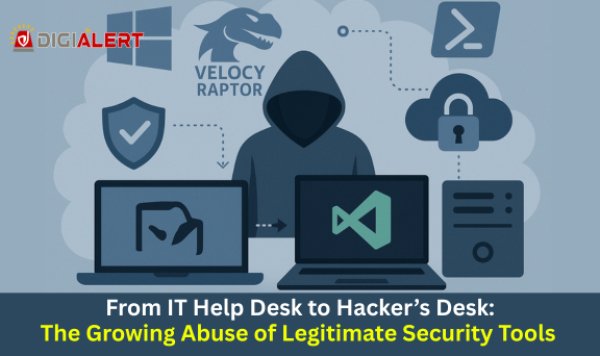
In cybersecurity, the most dangerous attacks are not always the ones that arrive with flashy ransomware notes or obvious malware signatures. Increasingly, the most damaging threats are the ones that look entirely ordinary. They slip under the radar, disguised as everyday processes or, even worse, cloaked in the trust we place in our own tools.
A new and concerning trend highlights this shift: attackers are weaponizing Velociraptor, an open-source forensic and incident response tool, to infiltrate networks and exfiltrate data.
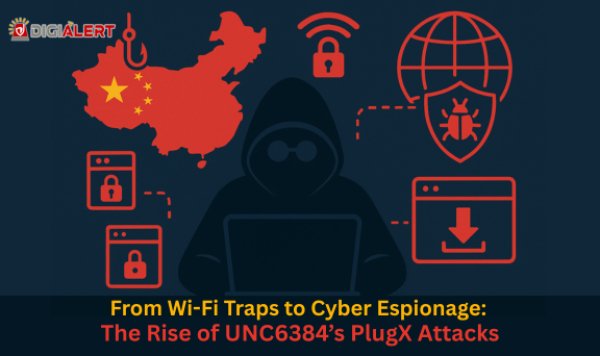
When you connect to a public Wi-Fi network, what’s the first thing you see?
Usually, a captive portal that login or “Agree to Terms & Conditions” page you click before getting access. For most people, it’s a routine step. But what if that portal wasn’t a harmless gateway, but instead a weaponized tool used by cybercriminals to infect your device?
That’s exactly what’s happening in a sophisticated cyber campaign launched by UNC6384, a threat actor now under global watch. By exploiting captive portals, UNC6384 is distributing the notorious PlugX malware, a remote access trojan capable of data theft, persistence, and further compromise.
The software development world just received another stark reminder of how critical our tools have become to the security of the digital ecosystem. Cybersecurity researchers recently disclosed a remote code execution (RCE) vulnerability in Microsoft’s Visual Studio Code (VS Code)—one of the most widely used integrated development environments (IDEs) on the planet.

In today’s fast-moving digital world, software supply chains have become both a cornerstone of innovation and a prime target for attackers. A recent discovery reported by The Hacker News highlights a particularly troubling case: a malicious Go module named “golang.org/x/ssh” was found imitating the legitimate SSH library to deliver backdoor access.
- New Pre-Auth Exploit Chains Discovered in Popular Platforms – Is Your Organization at Risk?
- DOM-Based Extension Clickjacking: The Silent Threat in Your Browser
- New Apache ActiveMQ Exploit Unleashes Godzilla Malware – What Security Leaders Need to Know
- NoodleRAT Malware Expands Its Targets – Why Your Business Needs Proactive Threat Monitoring Now
Information
digiALERT is a rapidly growing new-age premium cyber security services firm. We are also the trusted cyber security partner for more than 500+ enterprises across the globe. We are headquartered in India, with offices in Santa Clara, Sacremento , Colombo , Kathmandu, etc. We firmly believe as a company, you focus on your core area, while we focus on our core area which is to take care of your cyber security needs.