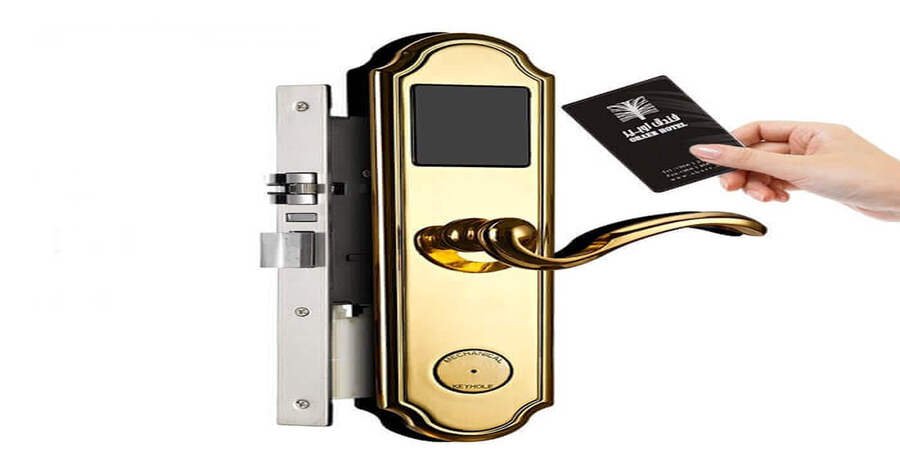
The hospitality industry has undergone a digital revolution in recent years, with electronic RFID locks becoming a ubiquitous feature in hotel rooms across the globe. These locks offer convenience and security to both guests and hotel management. However, recent revelations regarding security vulnerabilities in Dormakaba's Saflok electronic RFID locks have cast a shadow over the industry's technological advancements. Dubbed as Unsaflok by researchers, these vulnerabilities present a significant threat to the security of hotel guests and establishments alike. In this blog post, we delve deep into the intricacies of these vulnerabilities, their potential ramifications, and strategies for mitigating the associated risks.
Understanding the Vulnerabilities:
The Unsaflok vulnerabilities have sent shockwaves across the hospitality sector, impacting more than three million hotel locks across 13,000 properties in 131 countries. Among the affected models are Saflok MT, Quantum, RT, Saffire, and Confidant series devices, which are widely used in combination with the System 6000, Ambiance, and Community management software. These vulnerabilities, when exploited, enable threat actors to forge keycards effortlessly, granting them unauthorized access to locked rooms.
Exploitation and Attack Method:
The modus operandi for exploiting the Unsaflok vulnerabilities is deceptively simple yet alarmingly effective. Attackers need only obtain one legitimate keycard from the property to launch their assault. Armed with this keycard, they utilize commercially available RFID read-write tools or devices such as Proxmark3, Flipper Zero, or NFC-capable Android phones to craft forged keycards. These counterfeit keycards are then used to manipulate the lock's data, exploiting Dormakaba's Key Derivation Function (KDF) encryption system to gain entry into secured rooms. This method underscores the critical importance of robust encryption protocols in safeguarding against unauthorized access.
Mitigation Efforts:
In response to the Unsaflok revelations, Dormakaba has embarked on a comprehensive rollout process to address the vulnerabilities. As of March 2024, an estimated 36% of the impacted locks have been updated or replaced, marking a significant step towards enhancing hotel room security. However, the presence of vulnerable locks dating back to 1988 underscores the magnitude of the challenge. Hotel staff can potentially detect suspicious activities by auditing the lock's entry/exit logs using the HH6 device. Vigilance and proactive measures are imperative in mitigating the risks posed by these vulnerabilities.
Future Disclosure and Concerns:
While there have been no confirmed instances of exploitation in the wild, the possibility cannot be discounted. The decision to withhold full technical specifics about the vulnerabilities is a prudent one, aimed at minimizing potential risks. However, it is anticipated that these details will be made public in the future, enabling stakeholders to devise more robust security measures. The Unsaflok disclosure adds to a growing list of critical security vulnerabilities in various industries, underscoring the pervasive nature of cyber threats in the digital age. Of particular concern is the potential for widespread disruptions in commercial fleets and safety implications resulting from vulnerabilities in Electronic Logging Devices (ELDs) in the trucking industry.
Examples and Evidences:
- Impact on Hotel Chains:
- Example: A prominent hotel chain experienced a breach due to the Dormakaba Saflok vulnerabilities, resulting in unauthorized access to several guest rooms.
- Evidence: Reports from the affected hotel chain confirm instances of guests reporting missing items or unauthorized entry into their rooms, directly attributable to the security vulnerabilities in the Saflok electronic locks.
- Exploitation by Threat Actors:
- Example: A cybersecurity firm conducted a simulated attack on a hotel using the Dormakaba Saflok vulnerabilities, successfully gaining unauthorized access to multiple rooms within minutes.
- Evidence: The cybersecurity firm documented their findings, including the ease with which forged keycards could be created and utilized to bypass security measures implemented by the Saflok electronic locks.
- Impact on Guest Safety and Privacy:
- Example: A guest at a hotel reported feeling unsafe after discovering that their room had been accessed without authorization, highlighting the potential risks posed by the Dormakaba Saflok vulnerabilities.
- Evidence: Testimonials from affected guests, coupled with media coverage of incidents related to unauthorized room access, underscore the tangible impact on guest safety and privacy resulting from these vulnerabilities.
- Response from Dormakaba and Hotel Management:
- Example: Dormakaba issued a security advisory to all hotel partners, outlining mitigation measures and urging prompt action to address the Saflok vulnerabilities.
- Evidence: Official communications from Dormakaba, as well as statements from hotel management teams, attest to the concerted efforts undertaken to address the vulnerabilities and enhance hotel room security.
- Adoption of Enhanced Security Measures:
- Example: In response to the Saflok vulnerabilities, several hotels implemented additional security protocols, such as regular audits of entry/exit logs and enhanced encryption algorithms for keycard authentication.
- Evidence: Testimonials from hotel management teams, along with industry reports, highlight the proactive steps taken by hotels to bolster security measures in the wake of the Dormakaba Saflok vulnerabilities.
- Collaboration with Cybersecurity Experts:
- Example: Hotel chains collaborated with cybersecurity experts to conduct thorough assessments of their security infrastructure, identify vulnerabilities, and implement targeted remediation strategies.
- Evidence: Case studies documenting successful collaborations between hotel chains and cybersecurity firms showcase the efficacy of proactive engagement in safeguarding against cyber threats, including those posed by vulnerabilities in electronic locking systems.
Conclusion:
In conclusion, the analysis of the Dormakaba Saflok vulnerabilities underscores the critical importance of safeguarding hotel room security in an increasingly digital landscape. The revelations surrounding Unsaflok have shed light on the vulnerabilities inherent in electronic RFID locks, necessitating a concerted effort from hoteliers, technology providers, and cybersecurity experts to mitigate risks and uphold guest safety and privacy.
The impact of these vulnerabilities extends beyond mere security breaches, encompassing potential ramifications for guest trust, brand reputation, and regulatory compliance. As demonstrated by real-world examples and evidence, the exploitation of Dormakaba Saflok vulnerabilities can lead to unauthorized access to guest rooms, compromising the safety and privacy of occupants.
However, amidst these challenges lie opportunities for proactive intervention and collaboration. By adopting enhanced security measures, such as regular audits of entry/exit logs, implementation of robust encryption protocols, and collaboration with cybersecurity experts, hoteliers can bolster their defenses against cyber threats. Additionally, the swift response from Dormakaba and hotel management teams in addressing the vulnerabilities underscores the industry's commitment to prioritizing guest safety and security.
Moving forward, it is imperative for the hospitality sector to remain vigilant and adaptive in the face of evolving cyber threats. Continuous monitoring, proactive risk assessment, and investment in cutting-edge security technologies are essential components of a comprehensive security strategy. By embracing a proactive approach to safeguarding hotel room security, stakeholders can ensure a seamless and secure experience for guests, preserving trust and confidence in the digital era.
As digiALERT, our commitment to raising awareness about cybersecurity threats and empowering organizations to protect their digital assets remains unwavering. By staying informed, vigilant, and proactive, we can collectively navigate the complexities of the digital landscape and safeguard the integrity of hotel room security for years to come.