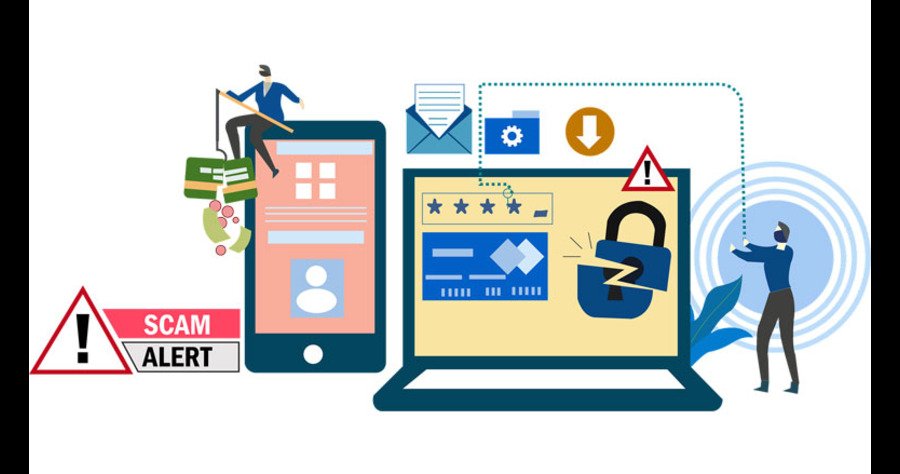
In the vast realm of cybersecurity, phishing attacks persist as a formidable threat, jeopardizing the integrity and security of organizations globally. Within the dynamic landscape of India's burgeoning business and technology sectors, the imperative for robust cybersecurity measures has never been more pressing. This blog aims to delve deep into the intricacies of phishing attacks, drawing lessons from real-world case studies within the Indian context. By examining successful defense strategies and best practices, organizations can fortify their defenses against the pervasive threat of phishing attacks.
The Menace of Phishing Attacks
At its core, phishing is a deceptive tactic employed by cybercriminals to trick individuals into divulging sensitive information, ranging from passwords to financial details. Perpetrators utilize various channels, such as emails, messages, or counterfeit websites, to impersonate trusted entities, thereby creating a challenging environment for users to distinguish between genuine and malicious communication.
Case Study 1: XYZ Corporation's Proactive Employee Training Initiative
XYZ Corporation, a leading entity in the Indian corporate landscape, recognized the pivotal role of its employees in the defense against phishing attacks. Acknowledging that human error constitutes a significant factor in successful phishing attempts, the organization embarked on a comprehensive employee training initiative.
Key Strategies Employed:
- Continuous Training:
Regular and updated training sessions were conducted to keep employees abreast of emerging phishing techniques and evolving cyber threats. By fostering a culture of continuous learning, XYZ Corporation ensured that its workforce remained vigilant and proactive in identifying and thwarting phishing attempts.
- Simulated Phishing Exercises:
To evaluate the efficacy of the training programs and gauge employee readiness, XYZ Corporation implemented simulated phishing exercises. These exercises mimicked real-world scenarios, allowing the organization to assess its employees' ability to recognize phishing red flags and respond appropriately.
Case Study 2: Banking Sector's Fortification through Multi-Factor Authentication (MFA)
Given the sensitive nature of financial transactions, the banking sector in India has been a prime target for phishing attacks. A prominent bank within the country successfully fortified its defenses by implementing Multi-Factor Authentication (MFA) across its platforms.
Key Strategies Employed:
- Layered Security:
Recognizing that a multi-pronged approach is essential in combating phishing attacks, the bank integrated MFA with other security measures. This layered security strategy added an additional barrier for cybercriminals, making it more challenging to compromise user accounts through phishing attempts alone.
- User-Friendly Implementation:
Understanding the importance of user adoption, the bank prioritized a user-friendly implementation of MFA. By ensuring that the authentication processes were intuitive and seamless, the bank not only enhanced its security posture but also garnered positive user experiences.
Case Study 3: Government Agency's Resilience through Incident Response Planning
A government agency in India found itself targeted by a sophisticated phishing attack aimed at compromising sensitive data. The organization's ability to swiftly respond and mitigate the impact played a pivotal role in preventing unauthorized access to critical information.
Key Strategies Employed:
- Rapid Response:
Having a well-defined incident response plan was instrumental in the agency's ability to swiftly respond to the phishing attack. The plan encompassed pre-defined procedures for identifying, containing, eradicating, recovering from, and lessons learned after a security incident.
- Collaboration with Law Enforcement:
Recognizing the gravity of the situation, the government agency collaborated seamlessly with law enforcement agencies. This collaboration not only facilitated a more thorough investigation but also enhanced the prospects of prosecuting the cybercriminals responsible for the phishing attack.
Conclusion
In the dynamic realm of digital landscapes, defending against phishing attacks stands as a paramount imperative for organizations, and the insights gleaned from the case studies within the Indian context, particularly within the purview of DigiALERT, illuminate a path forward. The multifaceted nature of phishing attacks necessitates a nuanced and adaptive approach, and the success stories unveiled herein provide a roadmap for organizations to fortify their digital perimeters.
As witnessed through the proactive measures taken by XYZ Corporation, where continuous employee training became a linchpin in their defense strategy, the importance of a vigilant and educated workforce cannot be overstated. DigiALERT understands the pivotal role of human resilience against phishing exploits and emphasizes the need for ongoing training programs to keep individuals abreast of emerging threats.
The banking sector's adept integration of Multi-Factor Authentication (MFA) underscores the significance of layered security in thwarting phishing attempts. DigiALERT champions the adoption of advanced authentication methods as a linchpin in our collective defense strategy, recognizing that safeguarding sensitive transactions requires a comprehensive, multi-dimensional approach.
Drawing inspiration from the government agency's resilience through incident response planning, DigiALERT underscores the importance of preparedness and collaboration. A robust incident response plan, coupled with seamless coordination with law enforcement, forms the bedrock of an organization's ability to mitigate the impact of a phishing attack swiftly.
In conclusion, the insights and case studies presented here provide not only a retrospective analysis of successful defense strategies but also a forward-looking guide for organizations navigating the complex terrain of cybersecurity. DigiALERT stands at the forefront of this digital frontier, advocating for continuous education, innovative authentication methods, and meticulous incident response planning.
As we continue to fortify our defenses against the evolving threat landscape, DigiALERT remains committed to empowering organizations with the knowledge and tools necessary to thwart phishing attacks. The digital realm may be fraught with challenges, but with strategic insights, collaborative efforts, and a commitment to ongoing improvement, we can collectively build a resilient and secure digital future.