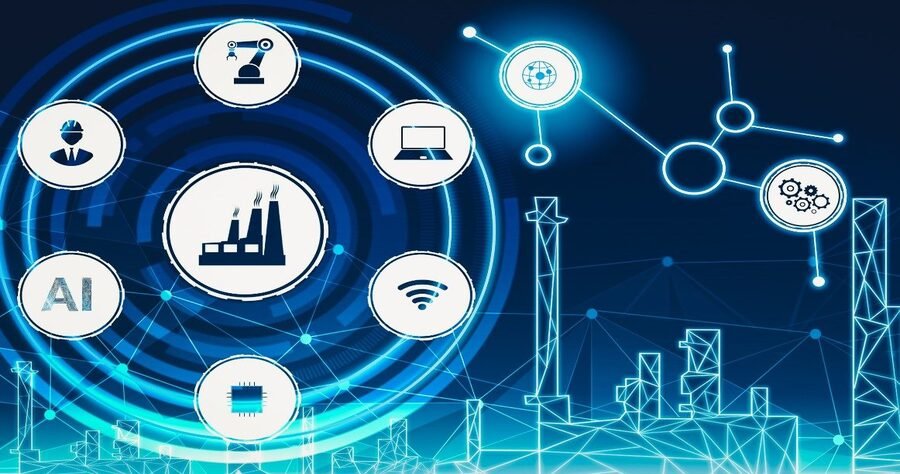
The Industrial Internet of Things (IIoT) has revolutionized industries by connecting operational technology (OT) with information technology (IT) systems. This convergence brings numerous benefits, such as increased efficiency and productivity. However, it also introduces new cybersecurity challenges that can have severe consequences for critical infrastructure. In this blog post, we will explore the world of IIoT attacks and delve into the importance of safeguarding industrial systems from malicious actors. We will discuss the unique risks and vulnerabilities faced by industries relying on IIoT, along with strategies and best practices to mitigate these cybersecurity threats. By understanding the nature of IIoT attacks and implementing robust security measures, organizations can protect their critical infrastructure and ensure the uninterrupted operation of industrial processes.
Understanding Industrial IoT (IIoT) Systems:
Industrial IoT (IIoT) systems represent the integration of IoT technologies into industrial processes, enabling enhanced automation, monitoring, and control. These systems connect physical devices, sensors, and machinery to collect and exchange data, enabling real-time insights and informed decision-making. By leveraging IIoT, industries can optimize operations, increase efficiency, reduce costs, and improve overall productivity.
The unique aspect of IIoT systems lies in their integration of operational technology (OT) with information technology (IT) infrastructure. OT refers to the hardware and software that controls and monitors physical processes, while IT encompasses the networking, computing, and data storage components. This convergence allows for seamless connectivity, data exchange, and remote management of industrial processes.
IIoT systems typically consist of various components, including sensors, actuators, gateways, edge devices, cloud platforms, and analytics tools. These components work in tandem to collect, transmit, process, and analyze data, providing valuable insights for decision-makers. The data gathered from IIoT devices enables predictive maintenance, asset tracking, supply chain optimization, energy management, and more.
While IIoT offers immense benefits, it also introduces unique security considerations. The interconnected nature of IIoT systems, the use of diverse devices and protocols, and the reliance on cloud platforms make them vulnerable to cyber threats. Understanding the structure, components, and functionality of IIoT systems is crucial for implementing effective cybersecurity measures that protect critical infrastructure from potential attacks.
The Growing Threat Landscape:
The adoption of Industrial IoT (IIoT) systems has exposed industries to an evolving and increasingly sophisticated threat landscape. Attackers are targeting IIoT environments with the intention of causing disruptions, compromising data integrity, and posing physical risks. Organizations need to recognize the risks and challenges posed by this growing threat landscape in order to effectively protect their critical infrastructure.
Motivations behind IIoT attacks vary, but often include economic gain, competitive advantage, espionage, and sabotage. Attackers may seek to steal sensitive industrial data or intellectual property for financial gain, disrupt rival companies' operations to gain an unfair advantage, or target IIoT systems for espionage purposes or to cause physical damage.
The sophistication of IIoT attacks is also increasing. Malware and ransomware can be used to disrupt IIoT systems and extort organizations. Supply chain attacks exploit vulnerabilities in the supply chain to compromise IIoT devices or introduce malicious components. Zero-day exploits take advantage of newly discovered vulnerabilities before patches are available, and insider threats pose risks when individuals with access to IIoT systems intentionally or inadvertently expose vulnerabilities.
The potential consequences of IIoT attacks are significant. Operational disruptions can occur, impacting production, supply chains, and critical services. Compromised IIoT systems can also pose safety risks to employees and the public, as well as threaten the integrity of physical infrastructure. Data breaches can result in financial losses, reputational damage, and regulatory compliance issues. Additionally, the loss of valuable intellectual property can impact an organization's competitiveness and innovation.
Recognizing the evolving threat landscape surrounding IIoT is crucial for implementing robust cybersecurity measures. Organizations must remain vigilant, continuously assess risks, and proactively defend against emerging threats to protect their critical infrastructure and maintain operational resilience.
Common Types of IIoT Attacks:
Industrial IoT (IIoT) systems are vulnerable to various types of attacks that can compromise their integrity, disrupt operations, and pose risks to critical infrastructure. Understanding these common types of IIoT attacks is essential for developing effective cybersecurity strategies. Let's explore some of the most prevalent attack vectors in the IIoT landscape:
- Denial-of-Service (DoS) Attacks: Denial-of-Service attacks aim to overwhelm IIoT systems with a flood of requests, rendering them unavailable to legitimate users. By overloading the system's resources, attackers can disrupt operations, causing financial losses and impacting productivity.
- Man-in-the-Middle (MitM) Attacks: MitM attacks involve intercepting and altering the communication between IIoT devices, gaining unauthorized access to sensitive data or injecting malicious code. Attackers can exploit vulnerabilities in the network infrastructure or devices to eavesdrop, manipulate, or inject malicious commands.
- Device Exploitation: Attackers target the vulnerabilities present in IIoT devices to gain unauthorized control or access. By exploiting security weaknesses, such as default or weak credentials, outdated firmware, or unpatched software, they can compromise the device's functionality and potentially gain control over the entire IIoT system.
- Physical Attacks: Physical attacks involve tampering with IIoT devices or infrastructure components. Attackers may physically access the devices to manipulate sensors, inject malicious code, or disrupt the operation of critical equipment. Physical attacks pose a significant risk to the integrity and safety of industrial processes.
- Data Interception and Tampering: IIoT systems rely on the seamless exchange of data between devices, networks, and cloud platforms. Attackers may intercept and manipulate the data transmitted across the IIoT ecosystem, leading to data breaches, unauthorized access to sensitive information, or the manipulation of critical operational data.
- Supply Chain Attacks: Supply chain attacks occur when attackers compromise the integrity of IIoT devices or components during the manufacturing or distribution process. By injecting malicious code or tampering with the devices, they can gain unauthorized access or control over the IIoT system, posing significant risks to the entire infrastructure.
- Firmware and Software Vulnerabilities: IIoT devices often rely on firmware and software to operate effectively. Vulnerabilities within the firmware or software can be exploited by attackers to gain unauthorized access, manipulate device functionality, or inject malicious code into the system.
By understanding these common types of IIoT attacks, organizations can take proactive measures to enhance the security of their IIoT systems. Implementing robust security controls, regularly updating firmware and software, conducting vulnerability assessments, and practicing secure coding and configuration practices are essential in mitigating the risks posed by these attack vectors.
Vulnerabilities in IIoT Systems:
Industrial IoT (IIoT) systems, despite their numerous benefits, are not immune to vulnerabilities that can be exploited by malicious actors. Understanding these vulnerabilities is crucial for effectively securing IIoT environments. Let's explore some common vulnerabilities found in IIoT systems:
- Inadequate Authentication and Authorization: Weak or default authentication credentials, improper access controls, or the absence of strong authentication mechanisms can allow unauthorized individuals or devices to gain access to IIoT systems. This can lead to unauthorized control over critical infrastructure or data breaches.
- Lack of Encryption: Inadequate or missing encryption protocols for data transmission and storage can expose sensitive information to unauthorized access. Attackers can intercept or manipulate data, compromising the integrity and confidentiality of the IIoT system.
- Firmware and Software Vulnerabilities: Outdated firmware or software versions may contain known vulnerabilities that can be exploited by attackers. Failure to regularly update and patch these components leaves the IIoT system susceptible to various types of attacks.
- Insecure Network Communications: Weak network protocols, open ports, and unencrypted communications increase the risk of unauthorized access and interception of data. Attackers can exploit these vulnerabilities to gain unauthorized control over IIoT devices or manipulate data.
- Lack of Physical Security: Inadequate physical security measures, such as unsecured IIoT devices or vulnerable access points, provide opportunities for physical tampering or unauthorized access. Attackers can compromise the system's integrity by manipulating sensors or devices.
- Insufficient Monitoring and Logging: Inadequate monitoring and logging mechanisms limit the ability to detect and respond to security incidents promptly. Without proper visibility into the IIoT system, organizations may not be aware of ongoing attacks or suspicious activities.
- Integration Challenges: IIoT systems often involve the integration of diverse devices, protocols, and technologies. Integration challenges, such as incompatible interfaces or poor interoperability, can introduce vulnerabilities that attackers can exploit.
- Lack of Security Awareness and Training: Insufficient cybersecurity awareness and training among personnel can lead to inadvertent security breaches. Employees may unknowingly click on malicious links or fall victim to social engineering attacks, providing entry points for attackers.
Securing Industrial IoT Systems:
Securing industrial IoT (IIoT) systems is of utmost importance to safeguard critical infrastructure, ensure uninterrupted operations, and protect sensitive data. Here are some key strategies and best practices to enhance the security of IIoT systems:
- Implement Robust Authentication and Access Controls: Employ strong authentication mechanisms, such as multi-factor authentication, to ensure only authorized individuals and devices can access the IIoT system. Implement granular access controls to restrict privileges based on user roles and responsibilities.
- Encrypt Data Transmission and Storage: Apply robust encryption protocols to safeguard data both during transmission and at rest. Encrypting data ensures confidentiality and integrity, preventing unauthorized access or manipulation.
- Regularly Update and Patch Firmware and Software: Keep IIoT devices, gateways, and supporting infrastructure up to date with the latest firmware and software patches. Regular updates address known vulnerabilities and enhance system security.
- Secure Network Communications: Use secure network protocols and configure firewalls to control network traffic. Segment the IIoT network to limit access and isolate critical components. Employ virtual private networks (VPNs) for secure remote access.
- Implement Intrusion Detection and Prevention Systems: Deploy intrusion detection and prevention systems (IDPS) to monitor network traffic and detect any suspicious activity or anomalies. Configure IDPS to issue alerts or automatically block malicious traffic.
- Conduct Regular Security Assessments and Penetration Testing: Perform periodic security assessments and penetration testing to identify vulnerabilities and weaknesses in the IIoT system. Address identified issues promptly to prevent potential exploitation.
- Enhance Physical Security Measures: Secure IIoT devices, gateways, and access points physically. Implement measures such as tamper-evident seals, surveillance cameras, and restricted physical access to critical infrastructure.
- Implement Comprehensive Logging and Monitoring: Enable comprehensive logging and monitoring of IIoT system activities. Analyze logs for suspicious events, monitor network traffic, and set up real-time alerts for potential security incidents.
- Train Personnel on Cybersecurity Best Practices: Educate employees on cybersecurity best practices, including identifying phishing attempts, practicing good password hygiene, and reporting suspicious activities. Regular training reinforces a security-conscious culture.
- Establish Incident Response and Recovery Plans: Develop incident response and recovery plans to guide actions in the event of a security incident. Define roles, responsibilities, and communication channels to ensure a swift and coordinated response.
Regulatory Compliance and Standards:
Industrial IoT (IIoT) systems operate within a regulatory landscape that aims to ensure the security, privacy, and integrity of critical infrastructure and sensitive data. Compliance with relevant regulations and standards is crucial to maintaining a secure and trustworthy IIoT environment. Here are key aspects to consider for regulatory compliance in IIoT systems:
- Understand Applicable Regulations: Familiarize yourself with relevant regulations specific to your industry and geographical location. Examples include the General Data Protection Regulation (GDPR), the NIST Cybersecurity Framework, and industry-specific standards like ISO 27001 and IEC 62443.
- Privacy Protection: Ensure compliance with privacy regulations by implementing appropriate measures to protect personally identifiable information (PII) and other sensitive data. This may include data anonymization, consent management, and data access controls.
- Data Governance and Retention: Establish data governance policies that define how data is collected, stored, processed, and retained. Ensure compliance with data retention regulations and implement secure data disposal practices when data is no longer needed.
- Risk Assessment and Management: Conduct regular risk assessments to identify potential vulnerabilities and risks in the IIoT system. Develop risk management strategies to mitigate identified risks and ensure compliance with risk management frameworks.
- Incident Response and Reporting: Implement incident response plans that outline steps to be taken in the event of a security incident. Designate responsible personnel, define communication channels, and establish procedures for reporting incidents to relevant authorities, if required.
- Vendor Compliance: If using third-party vendors or suppliers for IIoT components or services, ensure they meet regulatory requirements and adhere to industry standards. Implement due diligence processes when selecting vendors and regularly assess their compliance.
- Audit and Documentation: Maintain thorough documentation of security measures, policies, and procedures implemented in the IIoT system. Conduct periodic audits to assess compliance with regulations and standards. Documentation should include evidence of compliance activities.
- Continuous Monitoring and Compliance Assurance: Implement tools and processes for continuous monitoring of IIoT systems to detect any non-compliance or deviations from established standards. Regularly review and update security controls to align with evolving regulations and best practices.
- Training and Awareness: Provide ongoing training and awareness programs for employees to ensure they understand their roles and responsibilities in maintaining regulatory compliance. This includes educating them on data protection, privacy, and security practices.
- Engage with Regulatory Authorities: Stay informed about regulatory developments and engage with relevant regulatory authorities to seek guidance, clarify requirements, and address any compliance-related concerns.
Incident Response and Recovery:
Industrial IoT (IIoT) systems are not immune to cyber threats, making it essential for organizations to have a well-defined incident response and recovery plan in place. A prompt and effective response to security incidents can minimize the impact and facilitate a swift recovery. Here are key considerations for incident response and recovery in IIoT systems:
- Incident Identification and Classification: Establish a clear process for identifying and classifying security incidents. Implement monitoring and detection mechanisms to identify anomalies, intrusions, or unauthorized activities in the IIoT environment.
- Incident Response Team: Form an incident response team comprising key stakeholders from IT, security, legal, and relevant business units. Define roles, responsibilities, and communication channels to ensure a coordinated and timely response.
- Incident Escalation and Reporting: Establish protocols for escalating incidents based on severity. Ensure timely reporting to senior management, regulatory authorities, and other relevant stakeholders as required by legal obligations or internal policies.
- Containment and Mitigation: Take immediate steps to contain the incident and mitigate further damage. Isolate affected systems or devices, disconnect them from the network if necessary, and implement remediation measures to prevent the incident from spreading.
- Forensic Investigation: Conduct a thorough forensic investigation to identify the cause, scope, and impact of the incident. Preserve evidence, collect relevant logs, and engage specialized forensic experts, if required, to support the investigation.
- Communication and Stakeholder Management: Establish a communication plan to keep internal and external stakeholders informed about the incident. Provide regular updates on the progress of the investigation, the measures being taken, and any potential impact on operations or customer data.
- Recovery and Restoration: Develop a robust plan for restoring affected systems and data to a secure and operational state. This may involve rebuilding or restoring from backups, implementing patches or security updates, and conducting comprehensive testing before resuming normal operations.
- Lessons Learned and Remediation: Conduct a post-incident analysis to identify weaknesses or gaps in the IIoT system's security controls. Use this opportunity to improve security measures, update policies and procedures, and provide additional training to prevent similar incidents in the future.
- Business Continuity Planning: Incorporate incident response and recovery into broader business continuity planning efforts. Identify critical processes, prioritize their restoration, and establish alternative measures to ensure minimal disruption to operations.
- Continuous Improvement: Regularly review and update the incident response and recovery plan based on lessons learned, emerging threats, and changes in the IIoT environment. Conduct drills and simulations to test the effectiveness of the plan and enhance response capabilities.
Examples and Evidence:
- Stuxnet: One of the most well-known examples of an IIoT attack is the Stuxnet worm, discovered in 2010. It targeted Iran's nuclear facilities, specifically the programmable logic controllers (PLCs) used in their centrifuges. Stuxnet manipulated the PLCs to cause physical damage and disrupt the uranium enrichment process, highlighting the potential for destructive attacks on industrial systems.
- Mirai Botnet: In 2016, the Mirai botnet infected a large number of IoT devices, including cameras and routers, by exploiting weak security settings and default passwords. The compromised devices were then used to launch distributed denial-of-service (DDoS) attacks, disrupting various online services. This incident demonstrated the vulnerability of IoT devices and the potential for large-scale attacks leveraging their collective power.
- Triton (aka Trisis): Triton is a sophisticated malware that specifically targets industrial safety systems, such as those used in the oil and gas industry. It was discovered in 2017 and was designed to manipulate safety instrumented systems (SIS) by tampering with their logic and potentially causing physical harm. Triton highlighted the risks of targeting critical infrastructure and the need for enhanced security measures in industrial environments.
- WannaCry Ransomware: While not exclusively an IIoT attack, the WannaCry ransomware incident in 2017 had a significant impact on several industries, including healthcare and manufacturing. It exploited a vulnerability in the Windows operating system, spreading rapidly across networks and encrypting files. This incident underscored the importance of timely patching and vulnerability management in protecting both IoT and traditional IT systems.
- Ukrainian Power Grid Attack: In December 2015, a cyber attack targeted the Ukrainian power grid, causing a widespread blackout. The attackers used malware to gain access to the grid's SCADA (Supervisory Control and Data Acquisition) systems, disrupting operations and resulting in significant disruptions to the power supply. This incident highlighted the potential consequences of targeting critical infrastructure and the need for robust cybersecurity measures in the energy sector.
Conclusion:
In conclusion, Industrial IoT (IIoT) attacks pose significant risks to industries relying on connected devices and systems. The growing adoption of IIoT technology brings numerous benefits but also exposes organizations to potential cyber threats. It is crucial for businesses to recognize the unique cybersecurity challenges associated with IIoT and take proactive measures to protect their systems, data, and operations.
The blog discussed various aspects of IIoT attacks, including the understanding of IIoT systems, the evolving threat landscape, common attack types, vulnerabilities in IIoT systems, and strategies for securing IIoT environments. It highlighted the importance of implementing robust security measures, such as network segmentation, device authentication, encryption, and continuous monitoring.
As a leading cybersecurity provider, digiALERT understands the gravity of IIoT attacks and is committed to assisting organizations in safeguarding their industrial infrastructure. Our expertise in threat intelligence, risk assessment, and security solutions enables us to help businesses strengthen their defenses and detect, prevent, and respond to IIoT attacks effectively.
By partnering with digiALERT, businesses can benefit from our comprehensive suite of services, including vulnerability assessments, incident response planning, security awareness training, and ongoing monitoring. We are dedicated to empowering organizations to navigate the complex landscape of IIoT security and ensure the resilience and continuity of their industrial operations.
Together with digiALERT, businesses can stay ahead of emerging threats, mitigate the risks associated with IIoT attacks, and build a secure and robust industrial infrastructure. Protecting the integrity, confidentiality, and availability of IIoT systems is essential for maintaining operational efficiency, customer trust, and industry reputation. Let digiALERT be your trusted partner in securing your industrial IoT environment.