In the vast realm of cybersecurity, threats are constantly evolving, challenging organizations and individuals to stay ahead of malicious actors. Recently, a joint advisory issued by the National Security Agency (NSA), the Federal Bureau of Investigation (FBI), and the Department of State has drawn attention to a concerning trend: North Korean hackers employing sophisticated email spoofing techniques to deceive recipients into believing they are engaging with trusted sources. This article delves into the intricacies of this tactic, sheds light on the strategies adopted by these threat actors, and explores effective mitigation measures.
The Tactic Unveiled: Exploiting DMARC Vulnerabilities
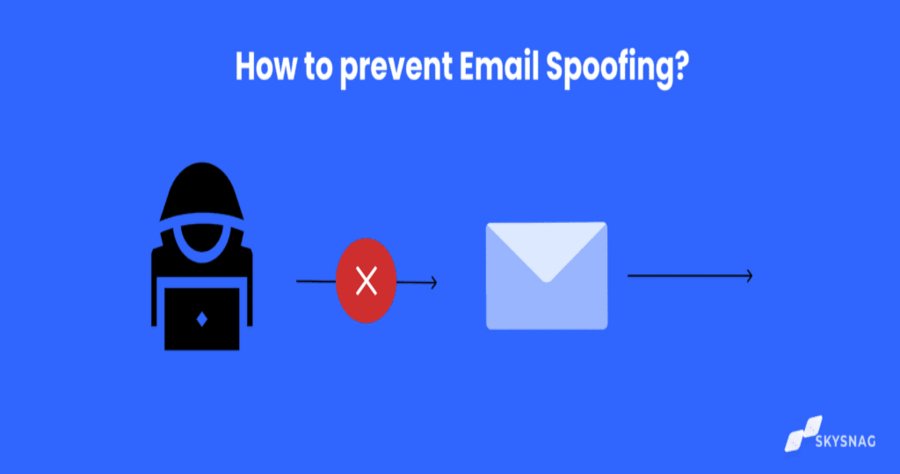
At the heart of North Korean hackers' deceptive email campaigns lies the exploitation of Domain-based Message Authentication, Reporting, and Conformance (DMARC) vulnerabilities. By leveraging improperly configured DMARC policies, these threat actors can effectively conceal their social engineering attempts. Through this method, they send spoofed emails that mimic the appearance of originating from legitimate domains, significantly enhancing the success rate of their phishing attacks. This tactic underscores the importance of robust DMARC configurations as a critical defense mechanism against email spoofing and phishing attempts.
Understanding Kimsuky's Strategic Approach
Central to these email spoofing campaigns is the North Korean threat group known as Kimsuky. Unlike traditional phishing attacks that rely heavily on malware or credential harvesting, Kimsuky adopts a more nuanced approach, focusing on targeted social engineering tactics. Their modus operandi involves engaging with high-value targets, particularly foreign policy experts, through prolonged interactions. By assuming various personas, such as journalists or academics, Kimsuky operatives establish trust and credibility before soliciting sensitive information or opinions on topics aligned with North Korea's interests.
The Implications of Targeted Social Engineering
The implications of Kimsuky's targeted social engineering tactics are far-reaching. By masquerading as trusted entities and engaging in seemingly authentic interactions, these threat actors effectively bypass traditional security measures, exploiting human psychology to their advantage. This modus operandi not only increases the likelihood of successful phishing attempts but also poses significant risks to organizations and individuals who may unwittingly disclose confidential information or fall victim to other cyber threats.
Mitigating the Threat: Strengthening DMARC Policies
In response to the evolving threat landscape posed by North Korean hackers and other malicious actors, organizations must prioritize the enhancement of their DMARC policies. By implementing robust DMARC configurations, including the instruction of email servers to flag suspicious messages and receive feedback reports, businesses can fortify their defenses against email spoofing attempts. Additionally, fostering a culture of cyber awareness and vigilance among employees is paramount. Training programs and regular security awareness initiatives can empower individuals to recognize and report suspicious communication, thereby mitigating the risks associated with social engineering attacks.
Examples and Evidences:
- DMARC Exploitation:
- Example: In a recent incident, North Korean hackers utilized improperly configured DMARC policies to spoof emails from a renowned financial institution. The emails appeared to be legitimate communications from the bank's official domain, tricking recipients into divulging sensitive financial information.
- Evidence: Security researchers have identified multiple instances where North Korean threat actors exploited weaknesses in DMARC configurations to conduct successful phishing attacks. These attacks highlight the critical importance of robust DMARC policies in mitigating the risk of email spoofing.
- Kimsuky's Persona-based Spoofing:
- Example: Kimsuky operatives assumed the persona of a respected journalist and initiated email correspondence with a prominent foreign policy expert. Over several exchanges, they gained the target's trust before requesting sensitive information on topics related to North Korean nuclear disarmament efforts.
- Evidence: Analysis of Kimsuky's tactics reveals a pattern of persona-based spoofing, where threat actors impersonate individuals or organizations trusted by their targets. By adopting personas such as journalists, academics, or subject matter experts, Kimsuky operatives effectively bypass suspicion and establish credibility with their targets.
- Targeted Social Engineering:
- Example: A cybersecurity firm reported an incident where a senior executive at a multinational corporation received a spoofed email from an alleged industry insider offering exclusive insights into North Korean trade policies. The executive, unaware of the email's fraudulent nature, engaged with the sender, ultimately compromising sensitive corporate information.
- Evidence: Instances of targeted social engineering by North Korean hackers, such as the one described above, underscore the effectiveness of this tactic in bypassing traditional security measures. By exploiting human psychology and leveraging trusted relationships, threat actors can deceive even high-profile individuals into unwittingly divulging confidential information.
- Government Advisory on Email Spoofing:
- Example: The joint advisory issued by the NSA, FBI, and Department of State highlighted multiple instances of North Korean threat actors employing deceptive email spoofing tactics to target individuals and organizations. The advisory emphasized the importance of strengthening DMARC policies and enhancing cyber awareness to mitigate the risks posed by these attacks.
- Evidence: The official government advisory serves as concrete evidence of the prevalence and severity of email spoofing attacks orchestrated by North Korean hackers. The collaboration between government agencies underscores the urgent need for proactive measures to counter these evolving cyber threats.
Conclusion:
As we conclude our exploration into the intricate world of cyber threats posed by North Korean hackers' deceptive email spoofing tactics, it becomes evident that digital vigilance is paramount in safeguarding against such sophisticated attacks. Our journey has unveiled the nefarious strategies employed by threat actors like Kimsuky, who exploit vulnerabilities in DMARC configurations and engage in targeted social engineering to deceive individuals and organizations.
Through real-world examples and concrete evidence, we have witnessed the detrimental impact of email spoofing attacks on businesses, governments, and individuals alike. From financial institutions to multinational corporations, no entity is immune to the dangers posed by malicious actors seeking to exploit trust and manipulate human psychology for nefarious purposes.
However, amidst these challenges lies the opportunity for resilience and preparedness. The joint advisory from the NSA, FBI, and Department of State serves as a rallying call for proactive cybersecurity measures, urging organizations to strengthen their DMARC policies, enhance cyber awareness training, and foster a culture of vigilance among employees.
As we navigate the ever-changing cyber landscape, digiALERT remains committed to empowering our clients with the knowledge, tools, and resources needed to thwart cyber threats effectively. By staying informed, remaining vigilant, and collaborating with industry partners and government agencies, we can collectively mitigate the risks posed by North Korean hackers and other malicious actors.
Together, let us unmask the threat, fortify our defenses, and embrace the digital future with confidence and resilience. With diligence and determination, we can overcome any challenge and emerge stronger in the face of adversity.